The Story in Brief
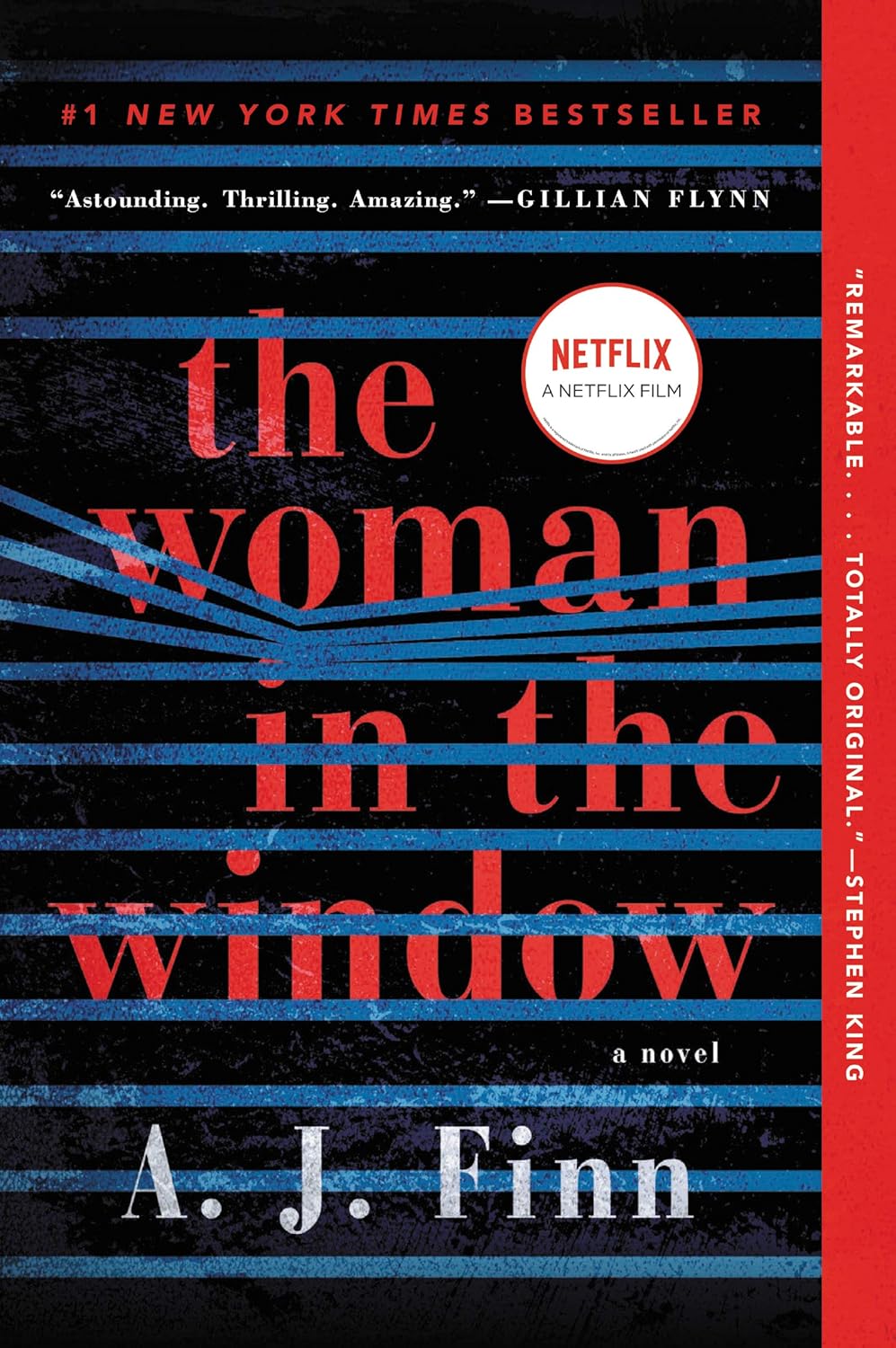
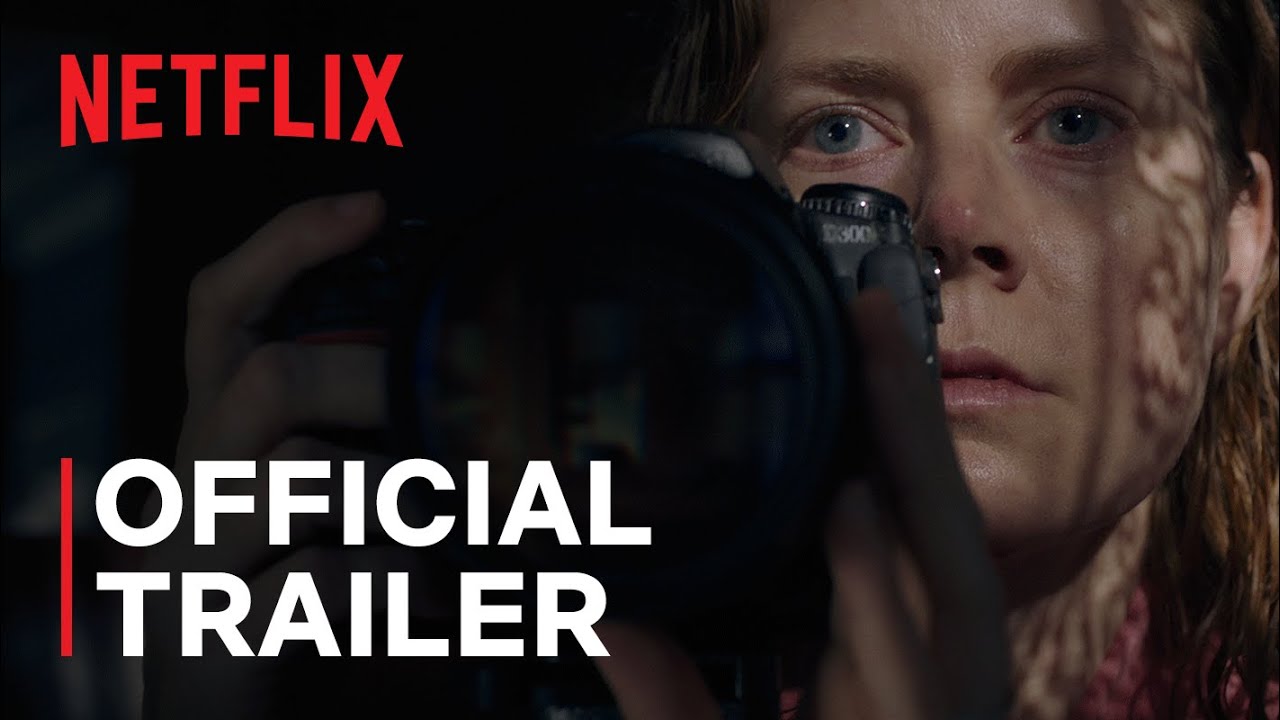
Anna Fox is an agoraphobic child psychologist who has not left her Manhattan townhouse in ten months. She spends her days drinking wine, watching old films, and observing her neighbours through her camera. When a woman moves in across the park, Anna believes she witnesses a violent crime — but no one believes her, and there are questions about what Anna actually saw and what she has invented. A.J. Finn's debut novel is an unapologetic homage to Alfred Hitchcock — Rear Window in particular — that became one of the biggest thriller debuts in publishing history. Joe Wright's film, delayed by a troubled production and eventually released on Netflix in 2021, has Amy Adams, Gary Oldman, and Julianne Moore, and a script that doesn't quite work.
Key Differences
Anna's unreliable narration
The novel is told entirely in Anna's first person, which means the reader is inside her distorted perception throughout. Finn is skilled at making Anna's unreliability feel natural — she sounds credible even when she isn't, and the gaps in her account are felt rather than announced. The film has to externalise Anna's perception, which makes her unreliability more visible and therefore less effective. You watch Anna being unreliable; in the book you are unreliable alongside her.
The Hitchcock references
Finn's novel is saturated with Hitchcock — Anna watches his films constantly, and the novel's plot rhymes deliberately with Rear Window, Vertigo, and Gaslight. These references are part of the experience: the reader is watching Anna watching films while a Hitchcock thriller happens to her. The film's production design nods to Hitchcock visually, but the meta-layer of a woman living inside the films she's watching is harder to sustain cinematically than it is on the page.
Amy Adams
Adams is one of cinema's finest performers and she commits fully to Anna's fragility and paranoia. She is the film's strongest argument for its own existence. Her performance communicates the interior distress that the novel renders through prose — not identical, but genuinely affecting. The film is worth watching largely because of what she does with material that the script does not fully support.
The production's troubled history
The film had extensive reshoots and was delayed by two years before Netflix acquired it from Fox 2000. The script was reportedly revised multiple times, and the finished film has a slightly disjointed quality — tonal inconsistencies, scenes that feel inserted, a climax that moves too fast. The novel's plotting is tighter. The film's problems are structural rather than performative.
The twist and its setup
Both versions pivot on the same central revelation about Anna's past and the crime she witnessed. The novel earns the twist through the slow accumulation of Anna's unreliable narration — by the time it arrives, the reader has been carefully prepared. The film delivers the same information but with less of the groundwork, which makes the revelation feel slightly mechanical rather than devastating.
Should You Read First?
Yes — the novel's unreliable first-person narration is the experience, and the film cannot replicate it. Read first and Anna's distorted perception pulls you in completely. Watch the film for Adams, who does everything the script allows and then some. The novel is the tighter, more satisfying version of the same story.
Finn wrote a knowing, well-constructed homage to Hitchcock that works because the unreliable narrator is doing real work. Wright's film has Amy Adams and a troubled production history. Read the book for the experience. See the film if Adams is sufficient reason — she usually is.