The Story in Brief
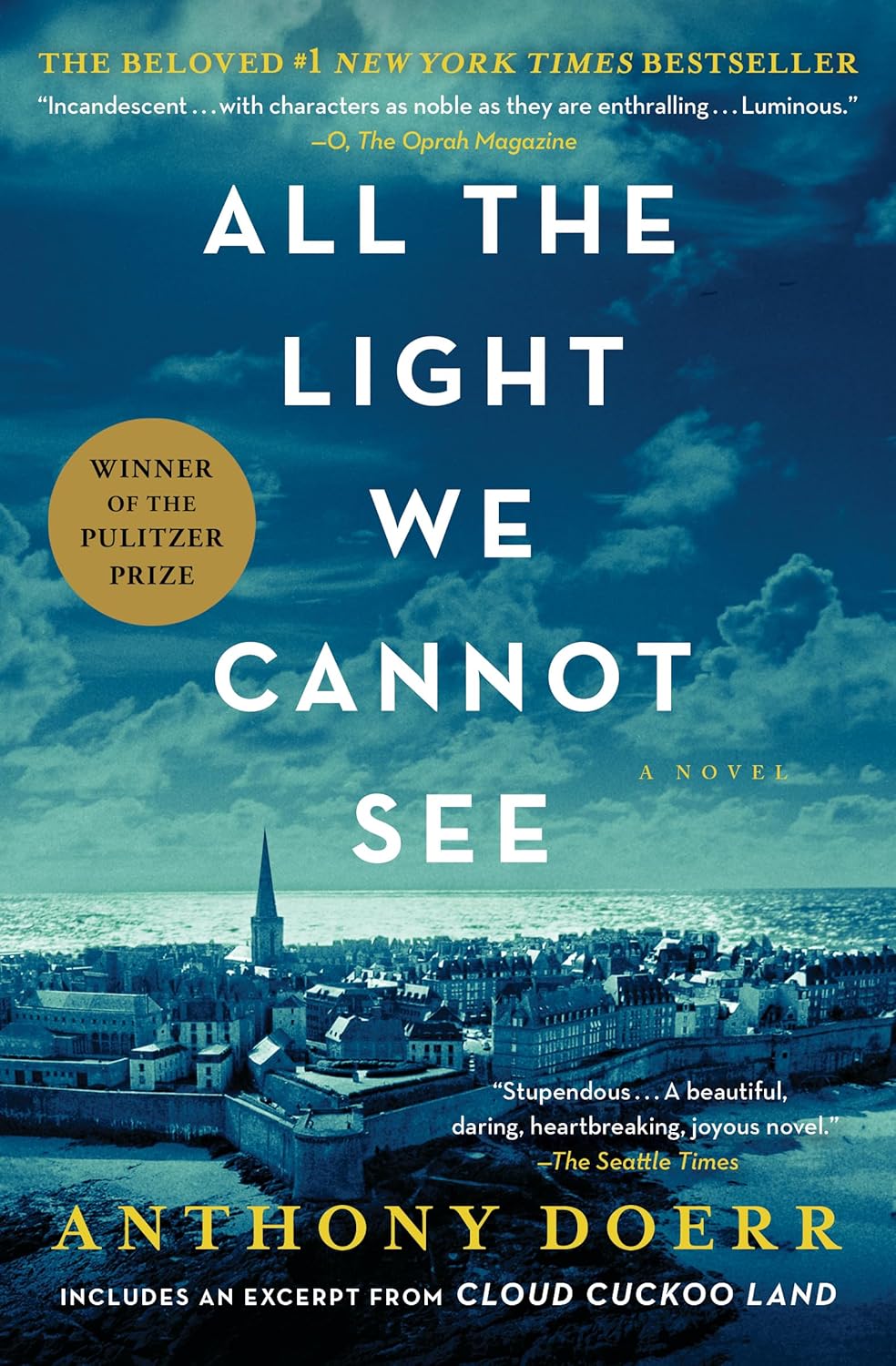
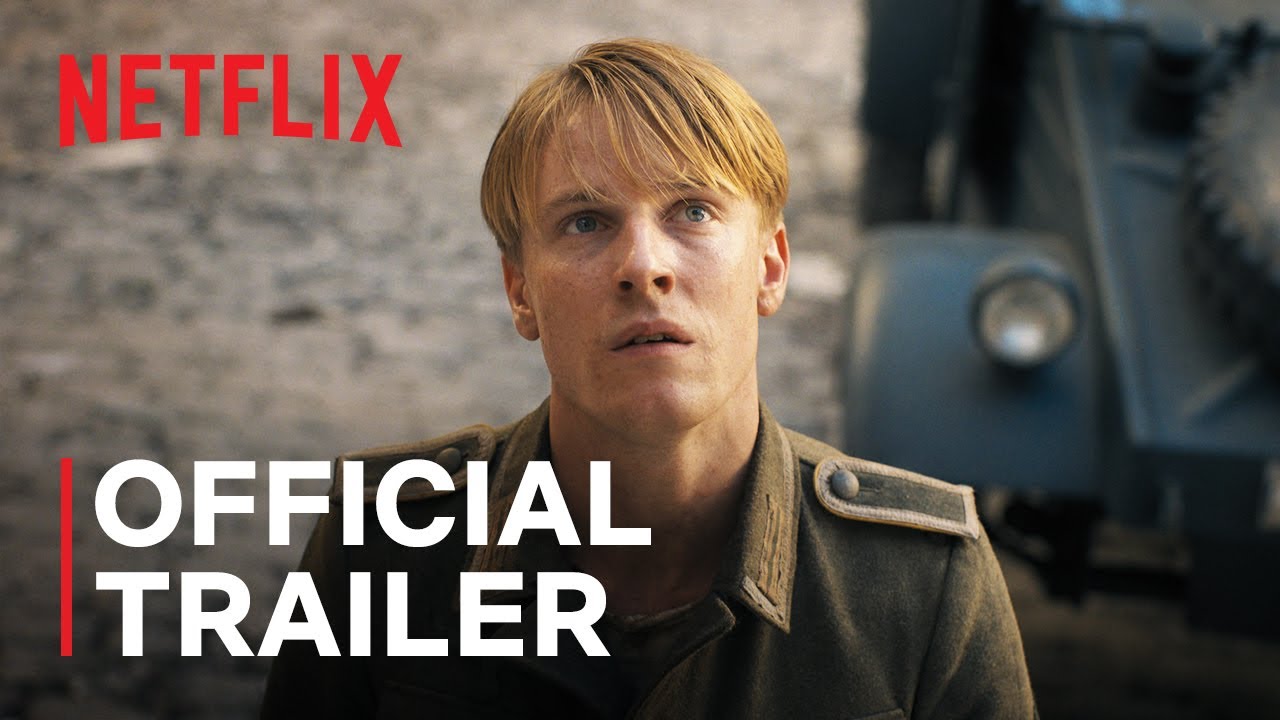
Marie-Laure LeBlanc is a blind French girl whose father carries her and a legendary diamond out of Paris as the Germans advance in 1940. Werner Pfennig is a German orphan whose talent with radios brings him into the Hitler Youth and eventually toward the front lines of the war's end in Saint-Malo. Their lives converge over the course of the novel in a single city in the war's final days. Anthony Doerr spent ten years writing the novel, and the prose shows that patience — precise, sensory, and committed to finding beauty inside catastrophe with a consistency that never becomes complacent. The Pulitzer Prize it won in 2015 was one of that award's more straightforwardly deserved decisions. Shawn Levy's four-episode Netflix series from 2023 is a visually impressive adaptation that dramatises the novel's plot and cannot replicate its prose.
Key Differences
Doerr's prose
The novel's language is its primary gift — short chapters of extraordinary sensory precision, each scene rendered with the specific attention of a writer who has thought carefully about how a blind girl experiences a world in flames. Doerr writes Marie-Laure's perception through sound, texture, smell, and the mental maps her father has built for her, and this perspective transforms the conventional war narrative into something more intimate and more strange. No camera can render a blind protagonist's experience of the world as completely as Doerr's prose does. The series is necessarily limited to what it can show; the novel is not.
Aria Mia Loberti as Marie-Laure
Loberti — herself visually impaired — brings to Marie-Laure a physical authenticity that no sighted actress could replicate, and her performance is the series' most important creative decision and its finest result. She moves through the series' Saint-Malo with a credibility that makes Marie-Laure's navigation of her world genuinely affecting, and her voice carries the character's intelligence and determination without overstating them. This casting decision is the series' greatest achievement.
The non-linear structure
Doerr's novel moves between 1944 Saint-Malo and earlier years in alternating chapters — we arrive in the present and move backward simultaneously, which creates a specific kind of dramatic tension as the two timelines converge. The series compresses this structure into four episodes, handling the time jumps through flashback rather than alternating chapters. The compression works well enough but loses the novel's formal elegance — the way each chapter's brevity and the alternating timelines create a rhythm of anticipation that builds across five hundred pages.
Von Rumpel and the Sea of Flames
The diamond — the Sea of Flames, legendarily cursed — is the novel's MacGuffin, and Von Rumpel, the SS sergeant hunting it, is its antagonist. Mark Ruffalo plays Von Rumpel in the series with a quality of terminal desperation (he is dying and believes the diamond will save him) that the role requires. The series handles this strand competently; the novel gives Von Rumpel more interior space and makes his obsession feel more genuinely pathetic than threatening.
Werner's arc
Louis Hofmann plays Werner with a quiet moral anguish that suits the character — a boy whose gifts have brought him into service of something he knows is wrong, and who keeps making the choices that keep him alive. The novel's Werner is more extensively introverted, his guilt more carefully developed across his years in the Hitler Youth. The series handles his arc well but the compression that four episodes require means his moral deterioration is somewhat more summarised than dramatised.
Should You Read First?
Yes — without qualification. The prose is the experience and it is ten years of careful attention compressed into five hundred pages of extraordinary sentences. Read first and the series becomes a handsome, respectfully made companion that casts Marie-Laure with brilliant specificity. Watch first and the book will give you everything the series cannot show you — which is most of what makes it one of the finest novels of the 2010s.
Doerr's Pulitzer winner is a prose achievement — a decade of work producing sentences that make a blind girl's experience of occupied France feel simultaneously intimate and vast. Netflix's series is a competent, well-intentioned adaptation anchored by Loberti's extraordinary casting, that dramatises the plot and cannot carry the language. The book wins decisively. The series is worth watching for Loberti; the book is worth reading for everything else.