
The Story in Brief
Shane Hollander and Ilya Rozanov are two of the best hockey players in the world — and bitter rivals on opposing teams who have been drawn to each other for years. Shane is the golden boy of the Boston team: clean-cut, publicly beloved, deeply private. Ilya is the Russian superstar playing for Montreal: charismatic, outwardly careless, secretly more complicated than anyone around him knows. What starts as a secret arrangement between two men who refuse to acknowledge what they feel becomes a years-long story of love, denial, ambition, and the cost of living inside a sport that wasn't built for people like them.
Rachel Reid's 2019 novel is the second entry in her Game Changers series and the book that turned it into a phenomenon — among the most beloved hockey romances ever written, praised as much for the precision of its emotional beats as for its frank treatment of two men navigating desire in a deeply closeted professional world. Jacob Tierney's 2025 HBO Max adaptation premiered to extraordinary reception: an 8.8 on IMDb, immediate cultural traction, and a series that sent an entire new generation of readers straight to Reid's backlist. It is one of the most successful romance adaptations in recent streaming history.
Cast & Characters
One of the first questions viewers ask: who plays whom? Here is the full principal cast of the 2025 series alongside the characters as Reid wrote them.
| Character | In the Book | In the Show |
|---|---|---|
| Shane Hollander Connor Storrie |
Boston's golden boy — publicly beloved, privately disciplined, terrified of what wanting Ilya means for the life he's carefully constructed. His chapters carry the novel's deepest self-deception: a man who intellectually understands his own desire and emotionally refuses to act on it for years. | Storrie plays Shane's composure as something brittle rather than natural — you can always see the effort it costs him. The performance is quieter than you might expect, and it's exactly right. He makes Shane's eventual openness feel earned rather than inevitable. |
| Ilya Rozanov Hudson Williams |
Montreal's Russian superstar — outwardly irreverent, publicly loose, privately more serious and more lonely than anyone around him suspects. Reid gives Ilya a rich interior life that pushes back against the playboy image his public persona requires. | Williams finds Ilya's charisma without losing his complexity — the laugh that doesn't always reach his eyes, the way he listens more carefully than he lets on. His chemistry with Storrie is the show's central argument for its own existence. |
| Ilya's background François Arnaud |
Reid devotes significant space to Ilya's Russian upbringing, his complicated relationship with what home means, and the specific texture of being who he is in the context he came from. This backstory is load-bearing — it explains why Ilya is the way he is with Shane. | Arnaud brings depth to the supporting role that grounds Ilya's backstory within the show's compressed runtime. His scenes give the Russian dimension more emotional weight than simple exposition would manage. |
| Scott Hunter & Kip Grady Series regulars |
Scott and Kip are the central couple of Game Changer (Book 1) — their story runs alongside Shane and Ilya's and their visible happiness functions as both comfort and mirror for what Shane refuses to acknowledge he wants. | The show introduces them as new characters without the full weight of Book 1 behind them. They work on their own terms; readers of the series will feel the difference in accumulated affection. |
Key Differences
Interior voice — what the book does that no show can
The novel's central advantage is complete, unmediated access to Shane and Ilya's internal lives — their denial rendered from the inside, their rationalisation given the full space of sentences and paragraphs, their longing made explicit in ways that performance can only approach. Reid writes what Shane knows about himself and refuses to act on with a precision that is genuinely funny in places and devastating in others. You watch a highly intelligent man construct an elaborate architecture of justification for why what he is doing with Ilya doesn't mean what it clearly means. This interiority is the novel's deepest pleasure and its most important quality.
Connor Storrie and Hudson Williams give performances of real sensitivity, and the show finds visual and dramatic equivalents for much of what Reid puts on the page — stolen glances, pauses that carry too much weight, the specific way bodies move around each other when two people have been pretending. But the subtext the novel makes text is always harder to read on screen. What you feel watching them is real; what you know reading Reid is different and more complete. The show earns its emotional moments; the novel earns them earlier and at greater depth.
The timeline and compression
Reid's novel spans several years of Shane and Ilya's careers — seasons pass, careers develop, the rivalry acquires the weight of genuine history between two people who have been circling each other for long enough that it has shaped who they are. The time jumps give the romance its scope. When Shane and Ilya finally stop pretending, the years behind them make the moment carry real weight — you feel how long they have been carrying this.
The show compresses and restructures this for six episodes, which sounds like a significant sacrifice and turns out to work better than it has any right to. Tierney uses compression not as a shortcut but as a tool — the show accelerates the emotional arc in ways that maintain the feeling of duration without requiring the viewer to live through the years in real time. Some of the novel's slower middle section, where Reid is doing important relationship-building work that doesn't always feel propulsive, actually benefits from the edit. This is one of the places where the adaptation makes a genuine creative argument rather than simply a practical one.
The hockey world
Reid is meticulous and loving about the texture of professional hockey — the locker rooms and the specific social hierarchies within them, the road trips and the particular loneliness of life conducted in hotels and arenas, the physical culture of the sport and how it shapes the men who live inside it. Hockey isn't backdrop in this novel; it's the environment that makes Shane and Ilya's situation specific. The sport's deeply traditional culture, its codes of masculinity, and the career stakes involved in being publicly out at the professional level are all structural elements of the story rather than setting details.
The show's production design and on-ice sequences are genuinely impressive — Tierney committed to making the hockey look and feel real, and the arena scenes have an authenticity that matters. But six episodes cannot fully replicate the immersion of a novel that lives inside the sport across hundreds of pages. The show gives you the world; the novel gives you the culture. Readers who come to the book after the show will find a hockey environment that feels richer and more fully inhabited.
Ilya's Russian identity and backstory
One of the novel's most carefully developed dimensions is Ilya's relationship with his Russian identity — what it means to have grown up in Russia, to carry that background into a North American professional sport, to be who he is in two different cultural contexts simultaneously. Reid gives this real weight: the specific texture of Ilya's relationship with home, with language, with what certain things mean in the context of where he came from. This isn't incidental — it's part of why Ilya is the way he is with Shane, why his particular form of hiding and revealing is shaped the way it is.
The show handles this thoughtfully but necessarily briefly. François Arnaud brings considerable emotional depth to scenes that the novel gives many more pages, and the production makes the right choices about which moments to prioritise. But readers of the novel will feel the difference — there are dimensions of Ilya's interiority that the show gestures toward but cannot fully inhabit in the time available.
Game Changers context — what you gain from reading the series
Reid's Game Changers series is a world, not just a series of standalone books. Characters from earlier entries reappear in later ones; relationships develop across multiple books; the universe accumulates texture and warmth the more time you spend in it. By the time you reach Heated Rivalry as a second book, Scott and Kip from Game Changer are not just supporting characters — they are people you know, and watching them function as a happy couple around Shane gives his situation a specific poignancy that is harder to achieve when they're being introduced fresh.
The show introduces Scott, Kip, and the broader Game Changers world without that accumulated context, which is the only option available to it. It works on its own terms — the characters are well-drawn and the relationships are legible. But for viewers who loved the show and are now coming to the books: start with Game Changer first, then read Heated Rivalry
The show's own strengths — what it adds
This is a comparison site that defaults to book wins, but the Heated Rivalry adaptation earns genuine credit for what it does that the novel cannot. The chemistry between Storrie and Williams is visible in real time in ways that prose can describe but only performance can embody — there are moments in the show where the two actors convey years of unresolved history with a single look that the novel's interiority achieves through a different, equally valid means. The show is also more immediately accessible to readers who might not pick up a romance novel but will watch a prestige drama — it has brought new audiences to Reid's work and to the genre in ways that matter.
The arena sequences deserve specific mention: the show makes hockey feel genuinely exciting without sacrificing its function as the environment in which Shane and Ilya's relationship is embedded. The rivalry between them is sports drama as much as romance, and Tierney understands that the competition is not separate from the feeling — it is the feeling, redirected.
Why This Adaptation Worked
What the show got right that most adaptations get wrong
- It trusted the source material. Tierney didn't try to make the story more acceptable or broaden it for a general audience by softening what it is. The show is a gay romance about two men in professional sport and it commits to that fully — which is exactly why it connected.
- The casting is specific, not generic. Storrie and Williams are not obvious heartthrobs playing a type. They bring specificity to Shane and Ilya that the novel's characterisation demands — Shane's particular brand of repression, Ilya's specific form of bravado. The chemistry feels earned because the characters feel like individuals.
- Compression as craft. Six episodes required cuts. The cuts were made intelligently, preserving the emotional architecture while losing expendable texture. This is harder than it sounds — most adaptations cut the wrong things.
- The hockey is real. The show didn't treat the sport as backdrop. The physical world of professional hockey — its rhythms, its culture, its specific masculine environment — is treated with the same seriousness Reid brings to it on the page.
- It understood what the book is about. Heated Rivalry is not a story about hockey. It is a story about two people who have built their identities around a public performance of who they are, and what happens when something real threatens that performance. The show understood this and structured itself accordingly.
Should You Read First?
Either order works genuinely well — this is one of the most comfortable either-order recommendations on this site, and one of the few places we feel confident saying that without qualification. The show is faithful enough that watching first loses relatively little of the story's emotional shape. But reading first means every scene the show gives you arrives loaded with interior knowledge that performance can only approximate — you know what Shane is thinking when he looks at Ilya the way he does, and that knowledge makes the show richer rather than redundant.
Our preference: read first. Begin with Game Changer (Book 1) if you can, then Heated Rivalry — the second book lands harder with the first behind you. If you watched first and are now reading: welcome. The book is even better than you're hoping, and the internal lives of these two men are more fully rendered than you've yet seen.
Rachel Reid's novel is a slow-burn romance of real precision and warmth — one of the finest in its genre, with two protagonists whose interior lives are written with enough specificity and enough comedy that the years of denial feel genuinely earned rather than manufactured. Jacob Tierney's adaptation is one of the best book-to-screen translations of recent years: visually confident, excellently cast, and faithful to the source's emotional core in ways that most adaptations of romance novels are not. Both versions are essential. Read the book. Watch the show. This is one of the closest calls on the site — and unlike most close calls, there is genuinely no wrong answer.
The Game Changers Series — Reading Order
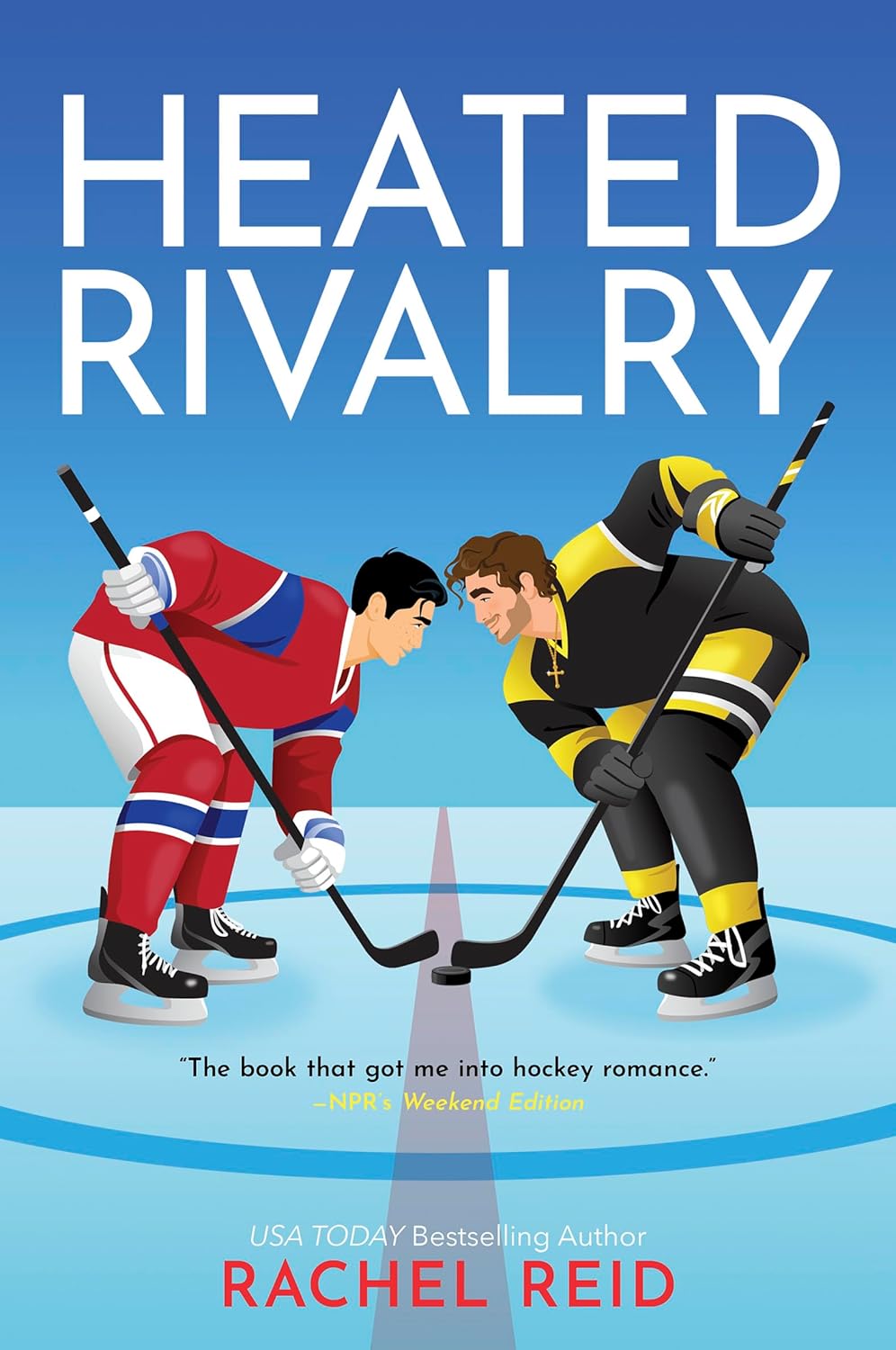
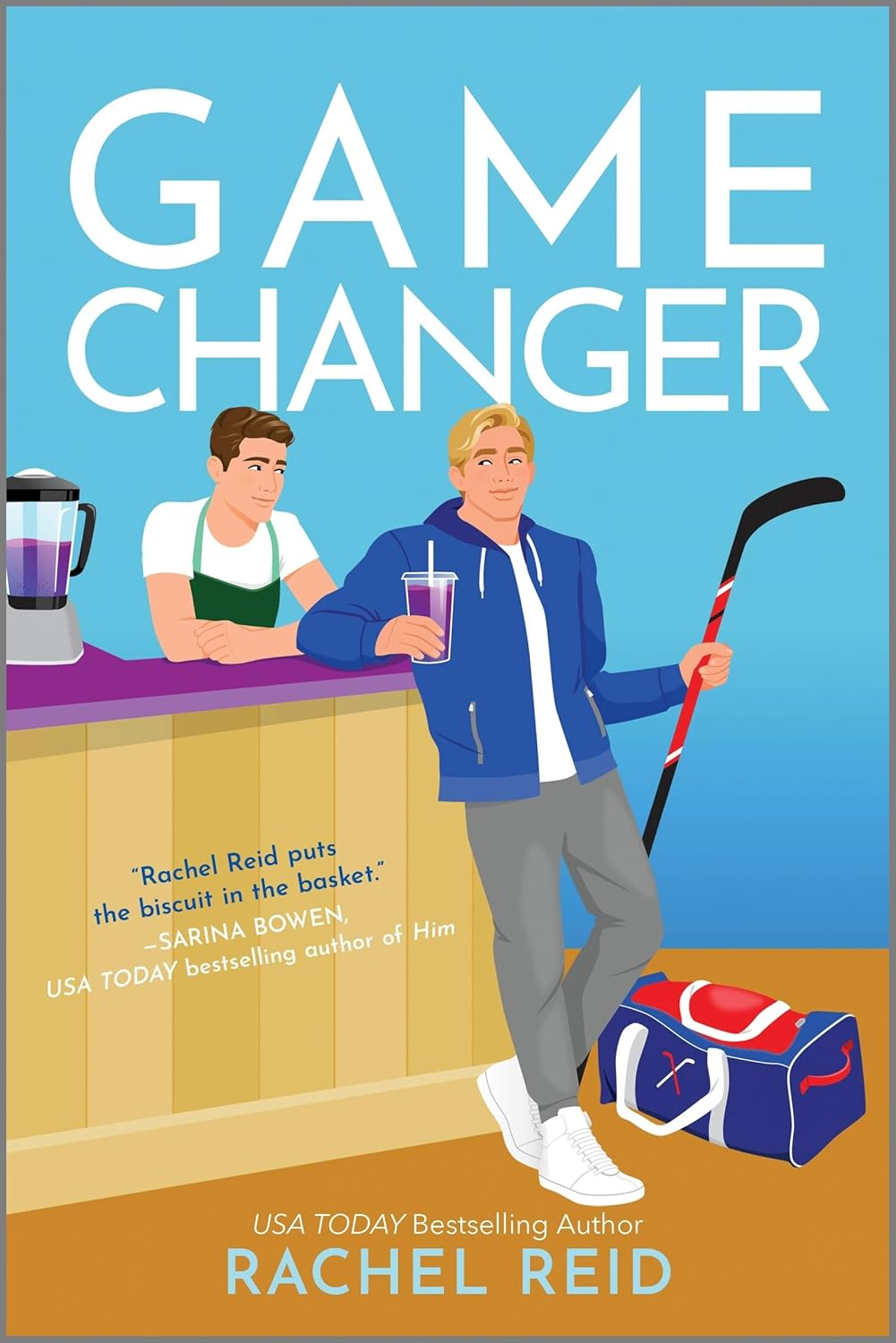
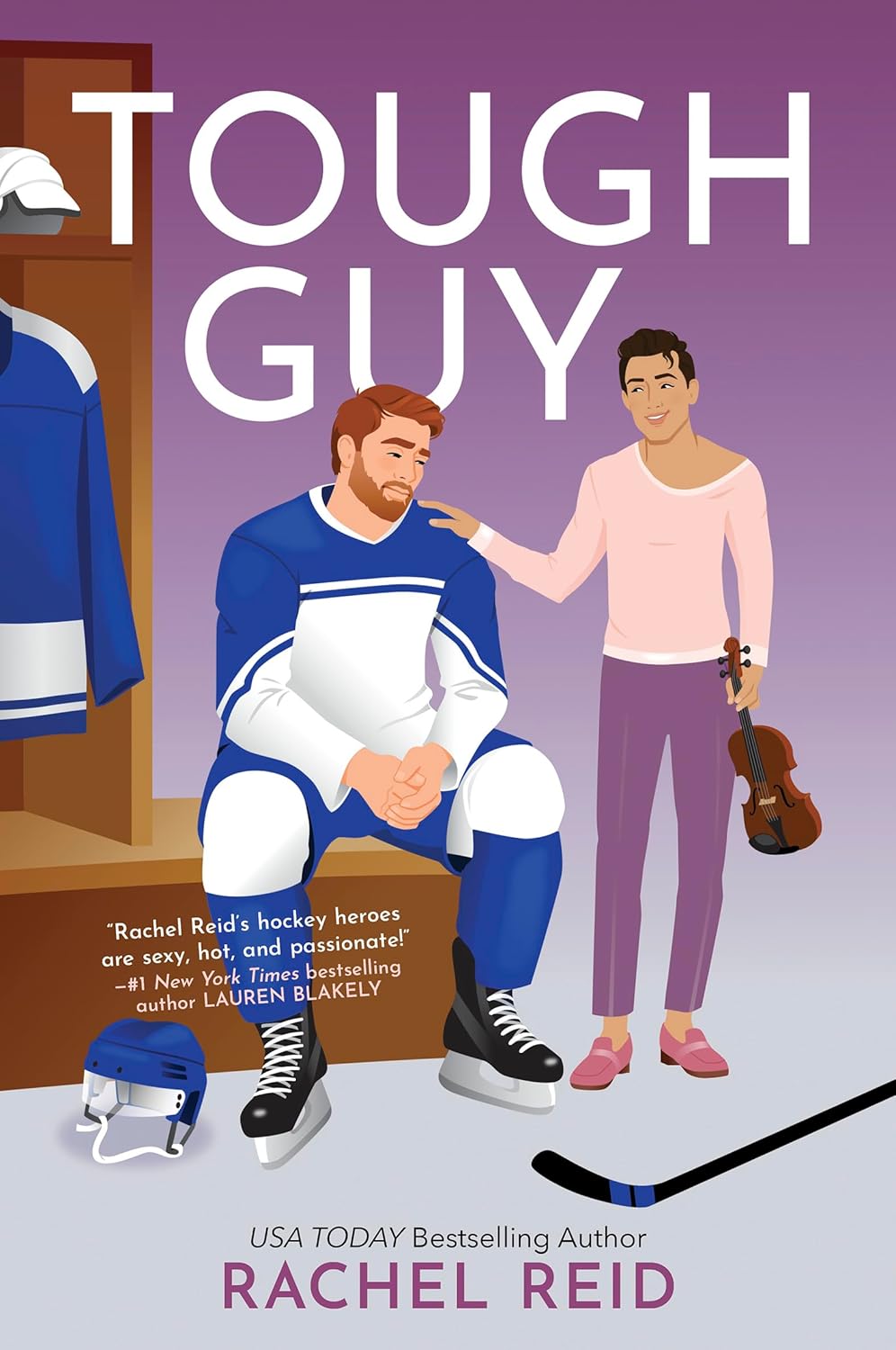
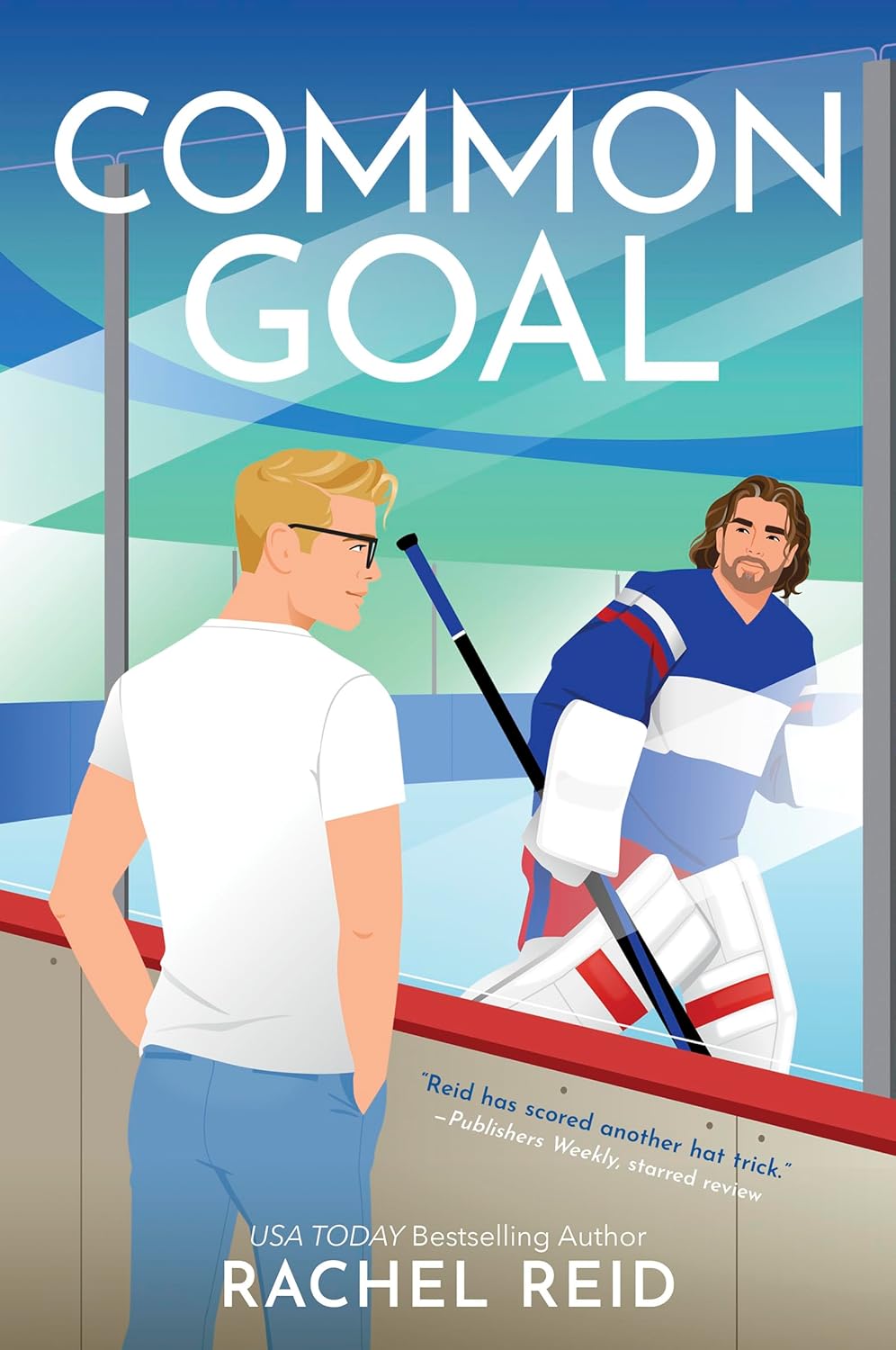
If the show brought you to Rachel Reid for the first time, here is where to start and where to go next. Each book features a different couple but the world accumulates — characters recur, relationships develop, and the later books are richer for having read the earlier ones.
- 1
-
2
★ Featured on this site
- 3
- 4
- 5
-
6
The Long Game (2022)
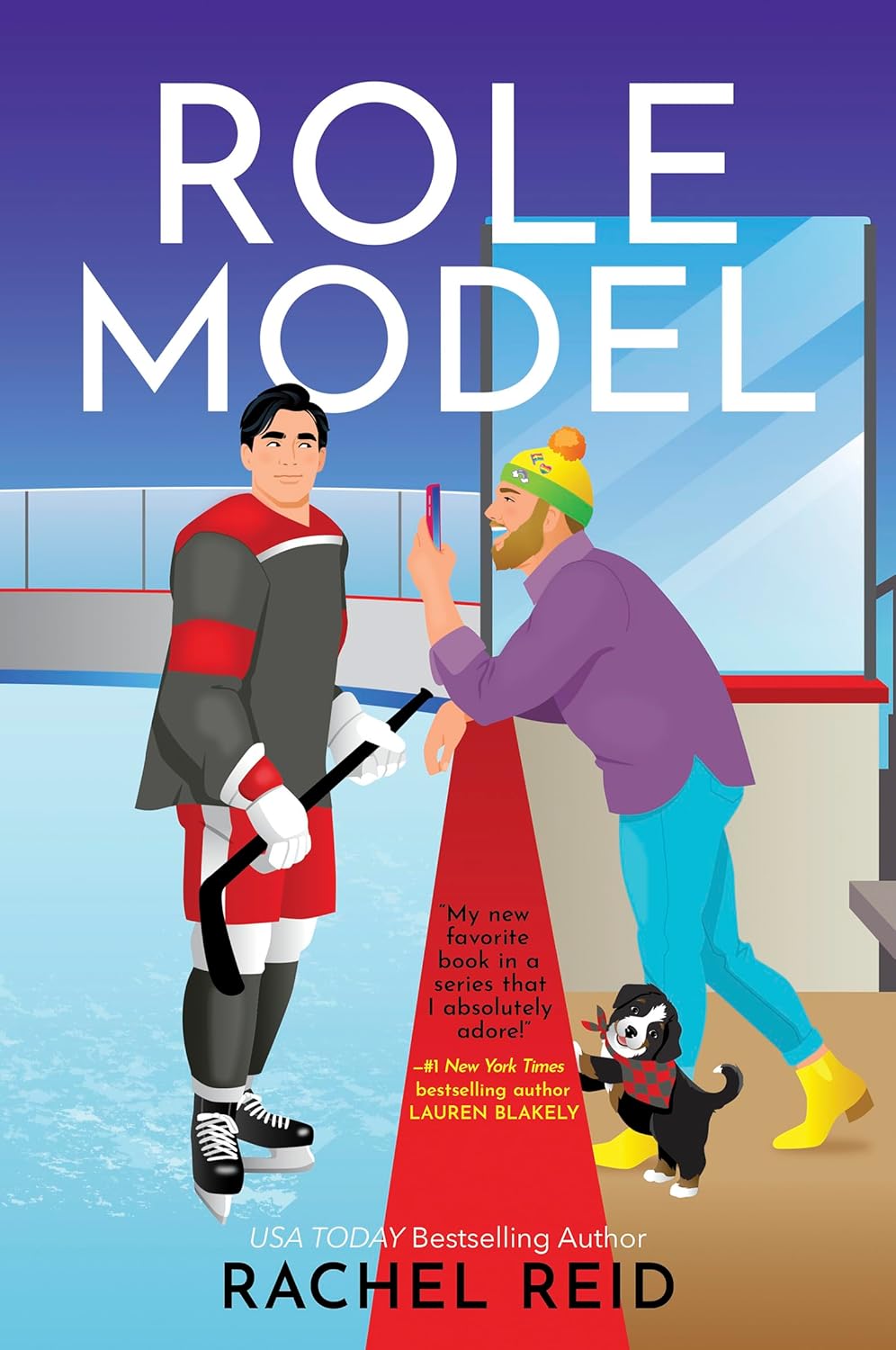
All six books are available individually. If you want to start the series after the show, Heated Rivalry works as a standalone entry point — but Game Changer is the better starting place if you have time for both.