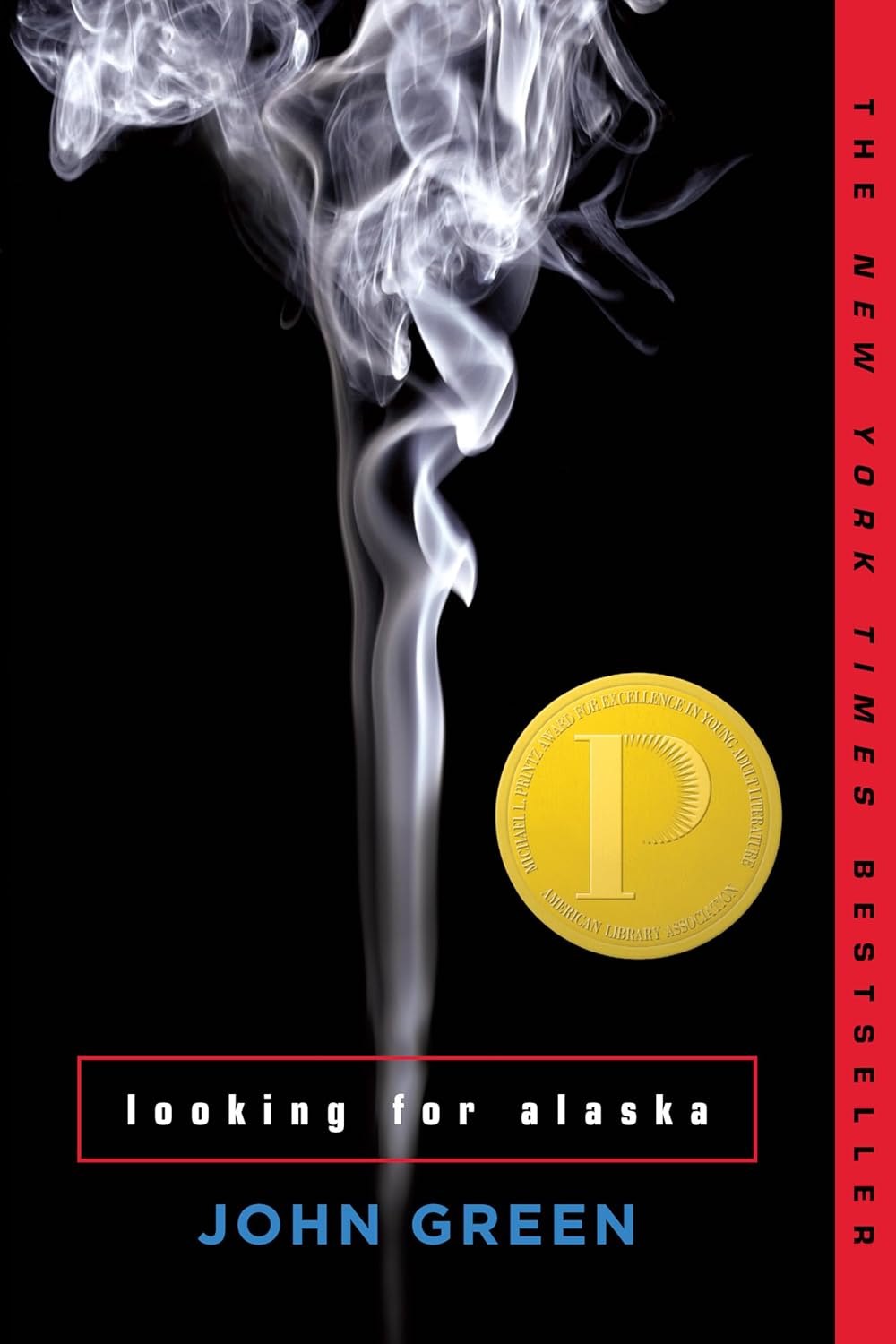

The Story in Brief
Looking for Alaska is a coming-of-age novel that follows Miles "Pudge" Halter as he enrolls at a boarding school and befriends a group of misfits, including the mysterious and captivating Alaska Young. The story explores themes of friendship, loss, and the search for meaning in life. Though the film adaptation captures the broad strokes of the plot, it ultimately fails to replicate the book's depth and nuance, particularly in its portrayal of Alaska's character and the profound impact of her death on Pudge's emotional and spiritual journey.
Key Differences
Characterisation of Alaska
In the book, Alaska is a complex, multi-faceted character who serves as the emotional and psychological center of the story. Readers are given deep insights into her troubled psyche, her struggles with mental health, and the tragedies that have shaped her. The film, however, reduces Alaska to a more one-dimensional "manic pixie dream girl" archetype, glossing over the darker aspects of her character and the profound impact her death has on Pudge's coming-of-age journey.
Depth of Exploration
The novel delves deeply into the inner lives and personal struggles of its characters, particularly Pudge's search for self-discovery and meaning. It's a contemplative, introspective work that grapples with weighty themes of grief, guilt, and the search for purpose. The film adaptation, while competent, lacks the same level of depth and emotional resonance, feeling more like a surface-level retelling of the story rather than a true exploration of its themes.
Pacing and Structure
The book's pacing is more deliberate, allowing readers to fully immerse themselves in the characters' experiences and the gradual unfolding of the plot. The film, on the other hand, feels more rushed, condensing key events and skipping over important character development moments. This robs the adaptation of the book's sense of contemplation and narrative tension.
Narrative Perspective
The novel is told from Pudge's first-person perspective, providing readers with an intimate, subjective view of the events. This allows for a deeper exploration of his psychological and emotional growth. The film, by contrast, adopts a more detached, third-person perspective that limits the audience's connection to Pudge and the other characters.
Thematic Emphasis
While both the book and the film explore themes of friendship, loss, and the search for meaning, the novel places a stronger emphasis on the philosophical and existential questions that drive Pudge's journey. The film, in comparison, focuses more on the surface-level drama and romantic elements of the story, diluting the book's deeper thematic explorations.
Should You Read First?
Unequivocally, yes. The book is the superior work, offering a richer, more nuanced exploration of the characters and themes. The film, while competent, fails to capture the depth and emotional resonance of the novel. Readers who approach the adaptation without first experiencing the book will miss out on the profound insights and character development that make the source material so compelling. If you're a fan of the story or simply appreciate thoughtful, character-driven narratives, reading the book first is an absolute must.
The book is the clear winner, with a richer, more introspective exploration of grief and self-discovery.