The Story in Brief
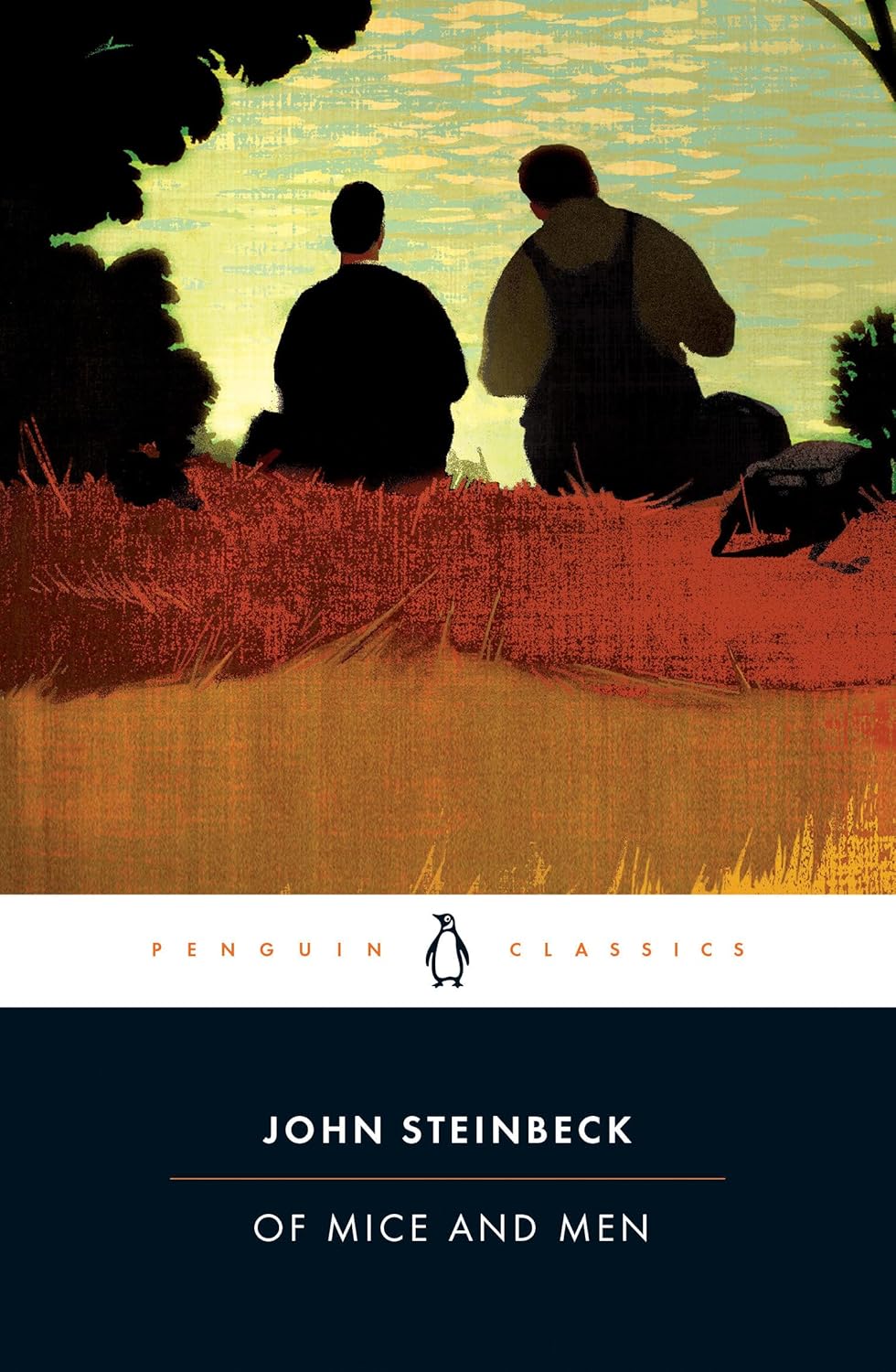
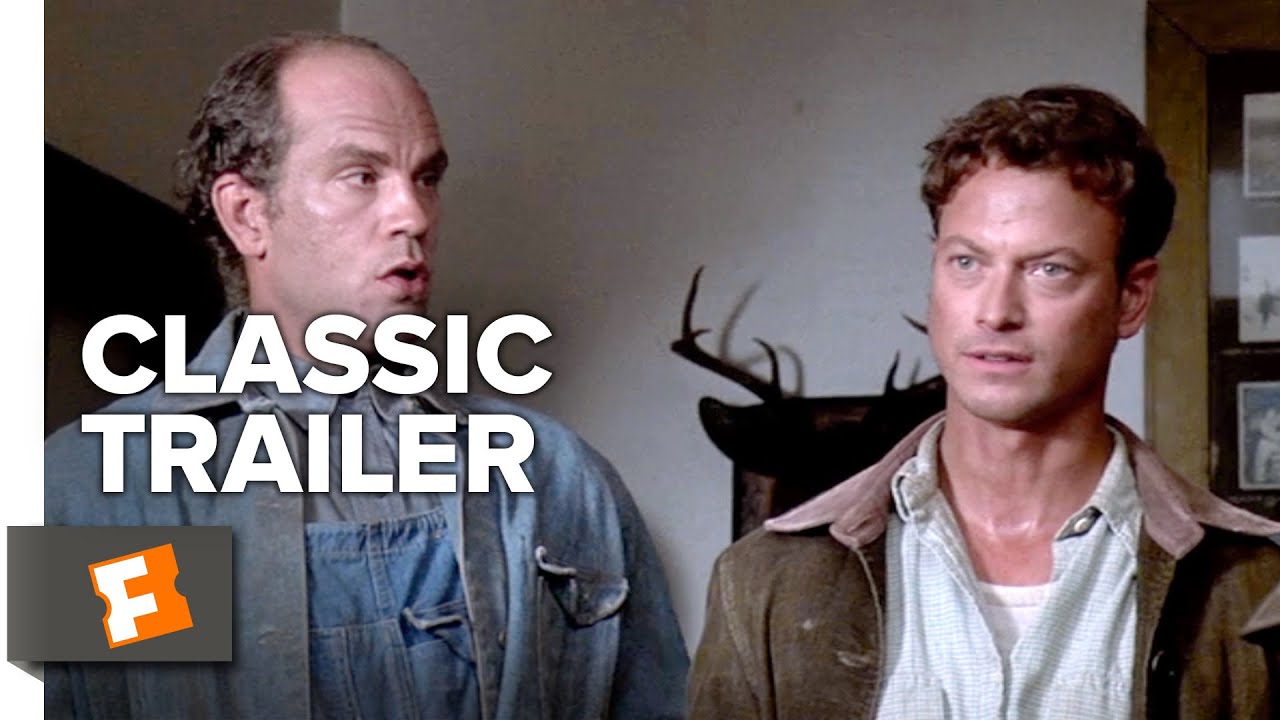
George Milton and Lennie Small are migrant ranch workers in Depression-era California, moving from job to job. George is sharp and watchful; Lennie is large, gentle, and intellectually disabled — he loves soft things and forgets his own strength. Together they dream of a small farm of their own, a place where they belong. Steinbeck wrote the novella in 1936 after losing an earlier manuscript when his dog ate it — he rewrote it in two months. It is one of the most precisely constructed works in American literature: short, dramatic, inevitable, devastating. Gary Sinise directed and starred as George in his 1992 film adaptation, with John Malkovich as Lennie. It is one of the finest literary adaptations in American cinema and one of the site's most closely contested ties.
Key Differences
Steinbeck's dramatic construction
Steinbeck described the novella as a "play-novelette" — he wrote it simultaneously as a novel and as a stage play, and it has been performed on Broadway multiple times. The prose is almost entirely dialogue and physical action; there is very little interior narration. This makes it unusually filmable: the story exists almost entirely on the surface of its scenes, which means the adaptation does not need to solve the problem of rendering interiority. Sinise's film is faithful almost line by line because the novel was already written for voices and bodies.
John Malkovich as Lennie
Malkovich's Lennie is one of the great performances in American cinema — he inhabits Lennie's particular quality of innocent destructiveness without condescension or caricature. Steinbeck's Lennie is rendered through dialogue and action; Malkovich adds an interior life through his eyes and his body that the prose can only imply. This is one of the rare cases where a performance genuinely deepens the source material rather than simply illustrating it.
The dream
The recurring description of the farm they will own — the rabbits, the little house, the land — accumulates differently on page and screen. In the novel, the repetition of "and we'll have rabbits" builds with a musical quality, each recurrence slightly different in context, until the final iteration is unbearable. Sinise and Malkovich play the dream sequences with appropriate tenderness but the written rhythm of the repetition cannot be fully replicated in dialogue.
Candy's dog
The shooting of Candy's old dog — killed because he is too old and smells and cannot contribute — is the novella's dark foreshadowing, its argument made in miniature before the larger argument arrives. Both versions handle this scene with the gravity it requires. The silence that follows in the bunkhouse — Candy lying facing the wall — is one of the great moments in both versions.
Crooks
Crooks — the Black stable hand who lives separately from the white workers because of the ranch's segregation — has a scene with Lennie in his room that is the novella's most sustained examination of loneliness and exclusion. Sinise gives this scene appropriate weight. Both versions are careful with it, though the film's Crooks has slightly less screen time than the novella's.
Should You Read First?
Either order works — the novella takes two hours to read and the film runs under two hours. Steinbeck wrote it to be performed, so watching first loses less than it would with most literary sources. Read first if you want Steinbeck's precise prose rhythm; watch first if you want Malkovich's Lennie as your mental image while reading. Both are correct choices.
Steinbeck wrote one of the great American novellas — spare, inevitable, and heartbreaking in its precision. Sinise made one of the great American literary films from it, with a performance from Malkovich that stands alongside the source rather than beneath it. Read the novella. See the film. This is a genuine tie between two works that honour each other completely.