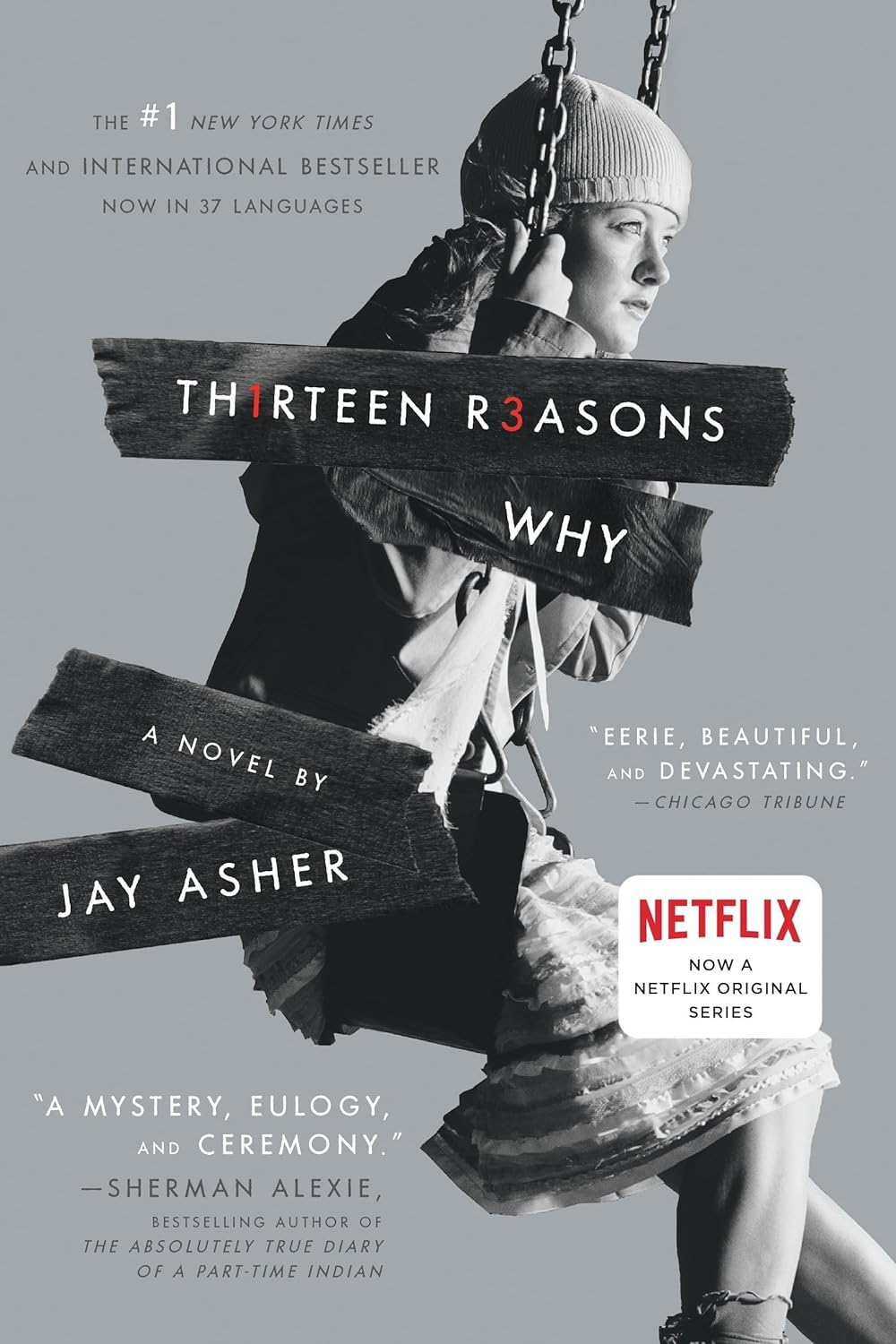

The Story in Brief
Thirteen Reasons Why follows the aftermath of a teenage girl's suicide. Clay Jensen receives a set of tapes from his classmate Hannah, who has just died by suicide, detailing the 13 reasons that led her to take her own life. As Clay listens to the tapes, he's forced to confront his own role in the tragic events, as well as the wider culture of bullying, sexual assault, and indifference that permeates his high school. The story explores themes of mental health, the lasting impact of our actions, and the importance of empathy and support for those struggling.
Key Differences
Narrative Structure
The book's dual narrative, alternating between Clay's perspective as he listens to the tapes and Hannah's own voice on the tapes, is a powerful technique that allows the reader to experience the story from both sides. This structure is less effectively translated in the Netflix series, which primarily follows Clay's perspective with intermittent flashbacks to Hannah's story. The book's more immersive dual POV helps the reader fully empathize with both Hannah and Clay.
Character Development
The book delves deeper into the complexities of the supporting characters, providing more nuanced and well-rounded portrayals. For example, characters like Jessica and Courtney have more fully explored backstories and motivations in the novel, whereas the show tends to depict them in a more black-and-white manner. This richer characterization allows the reader to better understand the web of relationships and societal issues driving the tragedy.
Graphic Depictions
The book handles the sensitive subject matter, including Hannah's sexual assault and graphic suicide, with a more restrained and thoughtful approach. The Netflix series, in contrast, includes more visceral and confronting portrayals of these events, which some have criticized as potentially sensationalist. The book's more discreet treatment allows the focus to remain on the emotional and societal impact.
Pacing and Tone
The book's pacing is more deliberate, allowing the reader to fully absorb Hannah's emotional journey and the weight of her decision. The Netflix series, while still powerful, has a more accelerated pace that can sometimes feel rushed. Additionally, the book maintains a more consistently somber and introspective tone, whereas the show introduces some tonal inconsistencies with occasional moments of levity.
Ending and Resolution
The book's conclusion offers a more nuanced and ambiguous resolution, leaving the reader to grapple with the unanswerable questions and lasting repercussions of Hannah's death. The Netflix series, while still thought-provoking, provides a more definitive and somewhat tidier conclusion, which some have criticized as feeling less true to the story's complex themes.
Should You Read First?
For fans of the story, it's highly recommended to read the book first before watching the Netflix adaptation. The book's rich characterizations, immersive dual narrative, and more restrained handling of the sensitive subject matter make it the superior version. That said, the Netflix series is still a powerful and impactful adaptation that is worth watching, especially for those who have already experienced the book. Ultimately, engaging with both versions can provide a more comprehensive and rewarding exploration of this important and emotionally charged story.
The book remains the superior version, diving deeper into the complex emotions and societal issues driving the story.