The Story in Brief
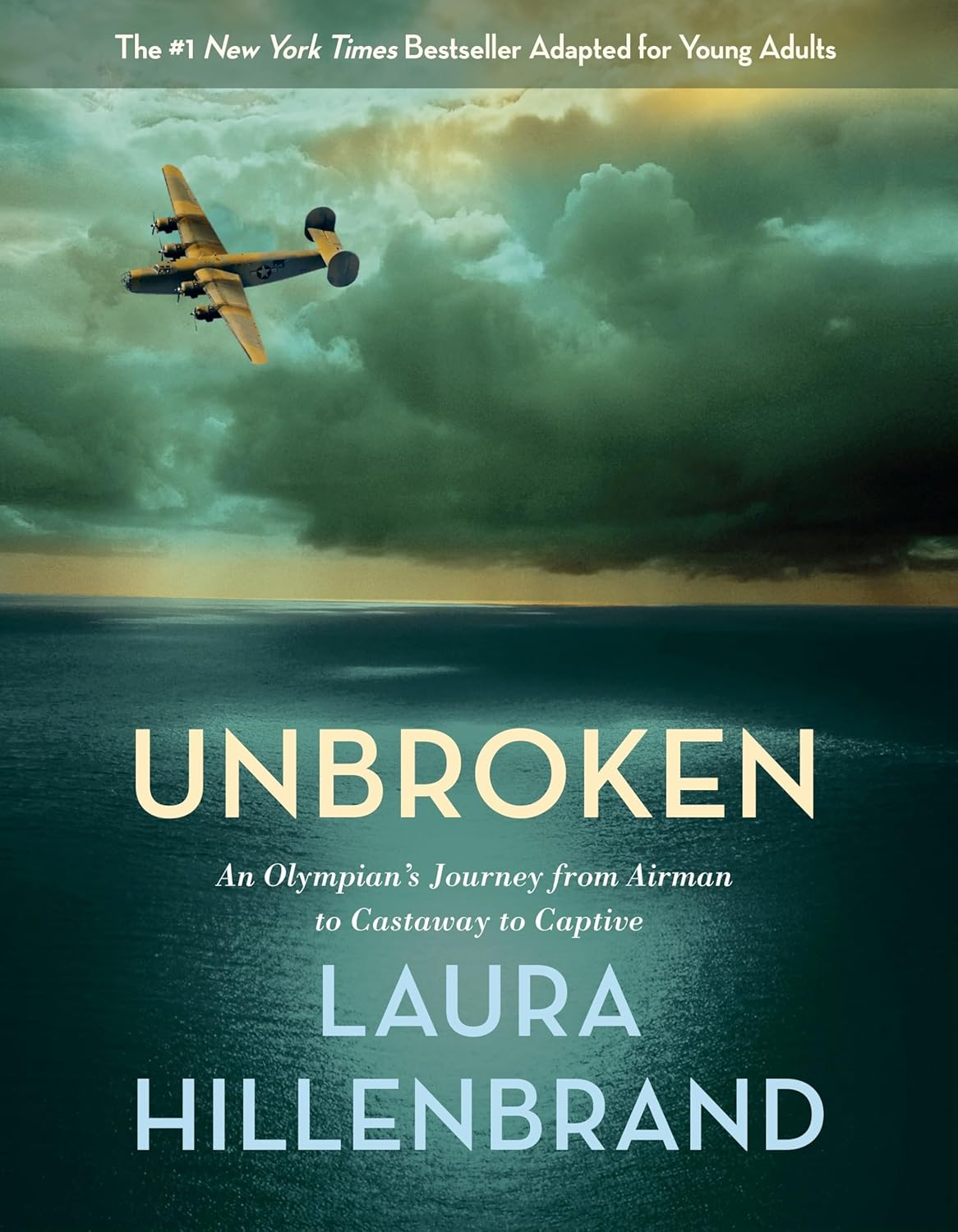
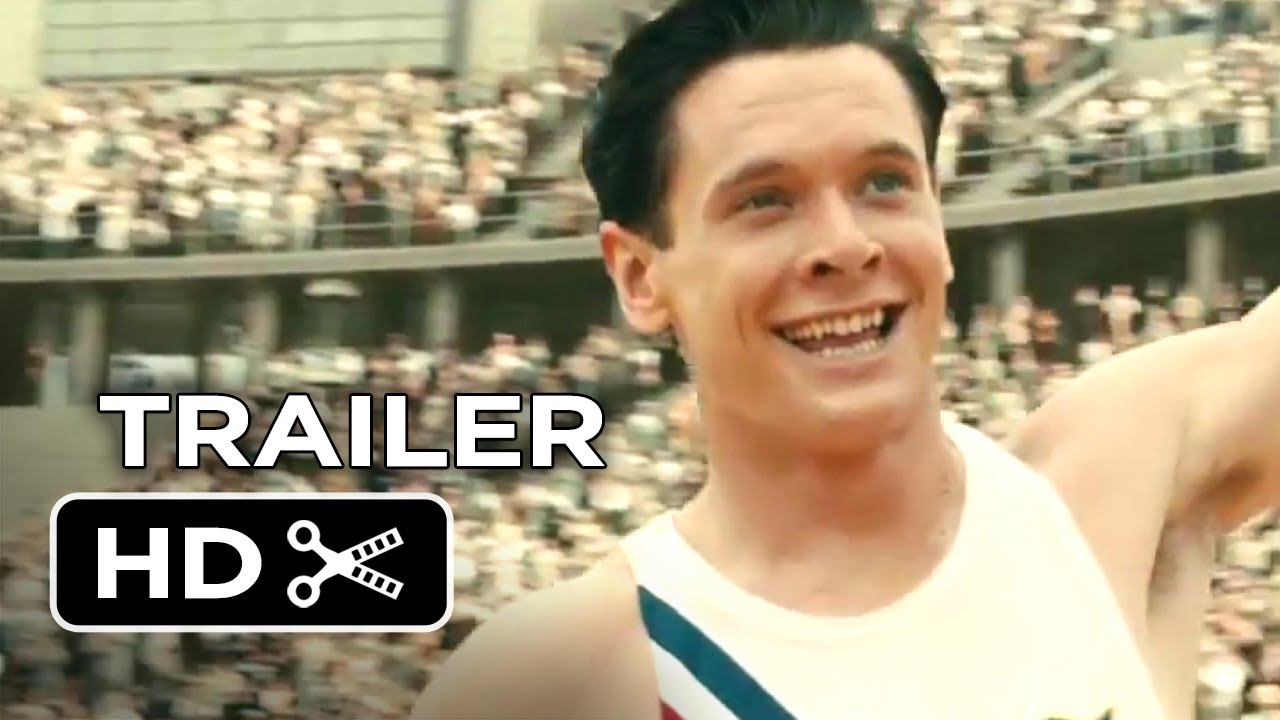
Unbroken tells the true story of Louis Zamperini, a former Olympic track star who was drafted into the US Army Air Forces during World War II. After his plane crashed in the Pacific, Zamperini endured over 40 days adrift at sea before being captured by the Japanese and sent to a brutal POW camp, where he faced starvation, torture, and the cruelty of a psychopathic guard. The book and film both explore Zamperini's incredible resilience and will to survive, but the cinematic adaptation struggles to fully capture the depth and nuance of this remarkable true story.
Key Differences
Characterization and Emotional Impact
The book excels at bringing Zamperini to life as a complex, multi-dimensional character, delving into his backstory, motivations, and inner thoughts in a way that the film simply can't match. Hillenbrand's powerful prose allows readers to deeply empathize with Zamperini's harrowing experiences, whereas the movie, despite solid performances from the cast, often feels emotionally detached. The book's richly drawn characters and intimate perspective make it a more impactful and immersive experience overall.
Narrative Structure and Scope
The book takes a more expansive, chronological approach, tracing Zamperini's life from his troubled childhood to his Olympic fame and wartime trials. In contrast, the film has a more conventional three-act structure, condensing certain elements and jumping between time periods. This results in a tighter, more streamlined narrative, but it also means the movie rushes through some key events and struggles to convey the full scope of Zamperini's extraordinary life story.
Attention to Detail
Hillenbrand's meticulous research and attention to historical detail shine through in the book, which is filled with vivid, immersive descriptions of Zamperini's experiences. The film, while visually impressive, often feels like it's skimming the surface, lacking the depth and texture of the source material. Fans of the book may find the movie version oversimplified or glossing over important nuances.
Themes and Spiritual Elements
The book delves more deeply into Zamperini's spiritual journey and the role of faith in his survival, whereas the film downplays these aspects. Hillenbrand's work explores Zamperini's religious conversion and the transformative power of forgiveness in a more profound way, while the movie focuses more on the physical hardships he endured.
Pacing and Dramatic Tension
The book's leisurely pacing allows the reader to become fully immersed in Zamperini's experiences, building a sense of dread and anticipation. The film, with its tighter editing and more conventional storytelling, can feel a bit rushed at times, sacrificing some of the book's slow-burn intensity and suspense.
Should You Read First?
If you're interested in the story of Louis Zamperini and his remarkable survival, the book is absolutely the way to go. Hillenbrand's biography is a meticulously researched, deeply compelling read that provides a far richer and more nuanced understanding of Zamperini's life and the harrowing challenges he faced. While the film adaptation is a solid effort, it simply can't match the emotional impact and narrative depth of the source material. Reading the book first will greatly enhance your appreciation for the film and ensure you don't miss out on the full scope of this incredible true story.
The book is a must-read account of survival and resilience that the film adaptation struggles to fully capture.